OFFER PERSONALIZED PRINTING PRODUCTS

The journey of a print does not end on the bolt of fabric. Today’s designers and creators are pushing boundaries, transforming custom prints into objects that touch everyday life—from soft furnishings to accessories and beyond. This evolution of printed textiles offers a new lens through which to view design: as a language that communicates identity, mood, and function in both personal and shared spaces.
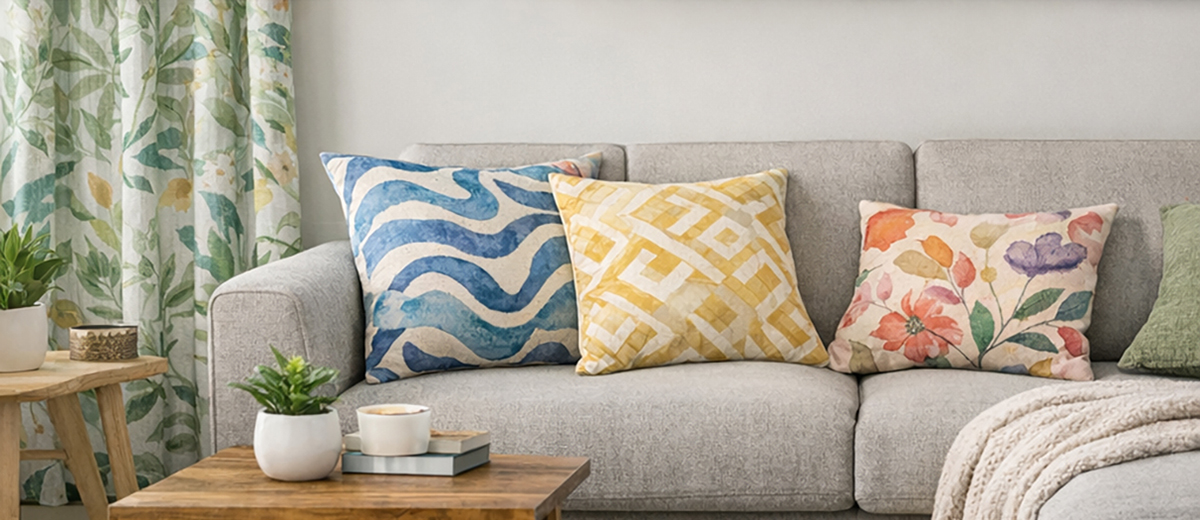
Printed fabrics are no longer confined to garments. Custom patterns can enhance home decor, creating a seamless bridge between personal taste and functional design. Think of cushions, curtains, tote bags, or bedding: each item becomes a canvas, carrying the story of the original design into spaces that people inhabit daily.
These products do more than decorate—they influence the perception of space. A lively floral on a pillow can energize a living room, while subtle geometric motifs on curtains can offer a sense of rhythm and order. The choice of fabric, combined with a thoughtful print, transforms the everyday into a curated experience.
Designers and brands can explore this potential by leveraging platforms like Explore Custom Fabric,which allow creatives to see how patterns translate onto different textures and materials, testing how the final product interacts with light, movement, and scale.
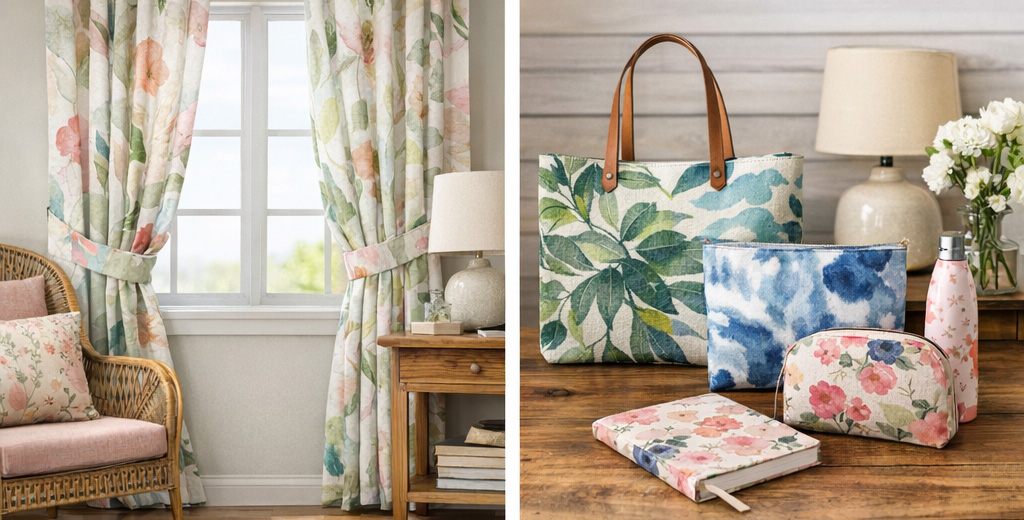
Beyond interiors, prints are increasingly applied to lifestyle products and wearable accessories. Personalized scarves, bags, and even tech cases serve as functional art. The tactile experience of the fabric—its weight, drape, and texture—combined with a compelling print, turns practical objects into visual statements.
Custom printed fabrics can also play a role in limited-run apparel or capsule collections, allowing brands to tell a cohesive story across garments and lifestyle items. By exploring print placement, scale adjustments, and material compatibility, designers can craft products that resonate on both an aesthetic and functional level.
Patterns carry more than visual appeal—they evoke emotions and memories. Bold florals, abstract lines, or illustrative motifs all communicate different energies. For instance, a repeating geometric design may convey order and structure, while freeform botanical prints can evoke creativity and spontaneity.
Understanding the psychology behind patterns helps designers craft products that not only look beautiful but also create the intended atmosphere in a room or the desired impression when worn. By thoughtfully selecting color palettes and scales, prints can guide perception, mood, and interaction in subtle yet meaningful ways.
Recent trends emphasize versatility. Multi-functional items, modular decor, and products designed for adaptability are increasingly paired with custom prints. Designers are experimenting with pattern layering, scale variation, and contrasting textures to enhance product appeal.
For creatives seeking inspiration, platforms like Explore Designer Prints showcase curated collections, demonstrating how patterns move seamlessly from yardage to finished items. These case studies highlight both traditional and unexpected applications, encouraging experimentation with textures, color, and product types.
Custom printed lifestyle products also open opportunities for more sustainable practices. By producing made-to-order items, waste is minimized, and overproduction is avoided. Selecting eco-friendly fabrics, water-based inks, or recycled materials further strengthens the environmental footprint of design.
In addition, small-batch production encourages careful consideration of each product's lifespan. This approach aligns design intent with responsible consumption, ensuring that prints and products alike have both visual and ethical value.
As design technologies evolve, the line between textile and object blurs. Digital printing enables precision and repeatability, opening the door to new applications: large-scale wall panels, custom upholstery, and mixed-media pieces all become feasible. The designer’s vision can now extend from a sketch to a functional product with minimal compromise.
Ultimately, the transformation of prints into lifestyle products reflects a broader trend: design as experience. Every item, whether decorative or wearable, contributes to a narrative shaped by color, pattern, and material. For designers, this is both an opportunity and a responsibility—to create objects that delight, function, and inspire.
By embracing this philosophy, custom prints transcend fabric and enter the realm of everyday life, shaping not only spaces but also the way people interact with and perceive their surroundings.


