 27 Aug 2026, 09:23 AM
Fabric Weight Guide: What is GSM in Fabric?
Feeling confused when choosing fabrics? Especially when you see the fabric weight (GSM)? If it's too light, the fabric feels transparent and flimsy. Too thick, it feels stiff, bulky, and stuffy. Beginners often get lost here. Don't worry, we are here to help! In this blog, we will explain what gsm is, how it affects fabric performance and comfort, and how to choose the right gsm. We'll also explain which gsm ranges are best for common pieces like T-shirts, shirts, hoodies, and jackets. So keep reading to find out more.
Table of Contents
What is GSM in Fabric?
Actually, "gsm" stands for grams per square meter, a standardized measure of fabric weight. In the US, fabric weight is often expressed in ounces per square yard (oz/yd²), which can be converted to gsm (1 oz/yd² ≈ 33.91 gsm). Generally, higher gsm indicates a heavier, denser fabric, while lower gsm represents a lighter, thinner material. For example, a silk blouse with a lower gsm (around 120–150) requires careful handling to avoid damage, while a denim jacket with a higher gsm (around 300–350) is heavier, more durable, and built to last.
Key Takeaways
- GSM stands for grams per square meter, used to measure the weight of fabric.
- In the US, ounces per square yard (oz/yd²) are also used. (1 oz/yd² ≈ 33.91 gsm)
- Higher gsm: heavier and denser, lower gsm: lighter and thinner.
Is Thickness and GSM Interrelated?
Many people assume that thicker fabrics always have a higher gsm, but this isn’t true. GSM measures fabric weight per square meter, while thickness measures the physical depth of the fabric. A loosely woven thick fabric can have a low gsm, whereas a tightly woven thin fabric may have a high gsm. In summary, gsm and thickness are related but not directly proportional. When choosing fabrics, be sure to consider the fabric type, weave, and intended use.
Fabric Weight Chart & Classification
Lightweight Fabric:
- Weight Range: 1–150 gsm
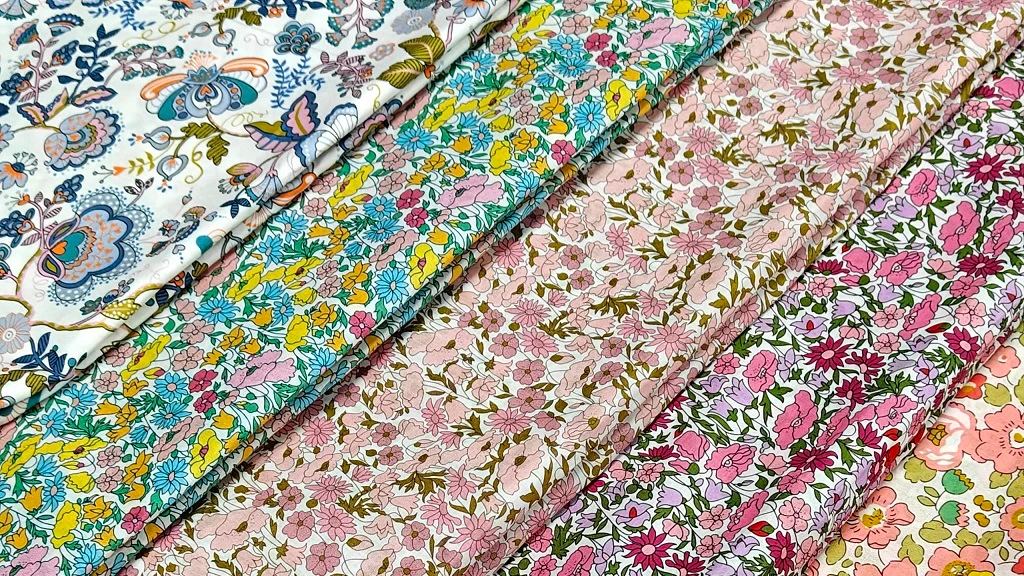
- Examples: Organza, Chiffon,Lace, Linen, Cotton Tana Lawn, Poplin
Medium Weight Fabric:
- Weight Range: 150–300 gsm
- Examples: Cotton Jersey, Interlock, Nylon, Sateen, Velvet, Flannel
Heavyweight Fabric:
- Weight Range: 300+ gsm
- Examples: Denim, Heavy Fleece, Wool, Canvas, Terry
GSM Classification Chart
| Weight Category | GSM Range | Common Fabric Examples | Typical Applications |
|---|---|---|---|
| Lightweight | 1–150 gsm | Organza, Chiffon, Lace, Linen, Tana Lawn, Poplin | Summer garments, dresses, shirts, linings |
| Medium Weight | 150–300 gsm | Cotton Jersey, Interlock, Nylon, Sateen, Velvet, Flannel | T-shirts, casual wear, sportswear |
| Heavyweight | 300+ gsm | Denim, Heavy Fleece, Wool, Canvas, Terry | Hoodies, outerwear, workwear, upholstery |
Note: While gsm ranges provide general guidance, fabric performance can also vary depending on fiber composition and construction method.
Low GSM vs High GSM Fabric
Fabric weight plays an important role in determining how a material feels and performs. As we mentioned before, low gsm fabrics are lighter and softer, while high GSM fabrics are heavier and more durable. However, neither option is automatically better. The right choice depends on how the fabric will be used.
Comparison Between Low GSM and High GSM Fabrics
| Feature | Low GSM | High GSM |
|---|---|---|
| Weight | Lightweight | Heavy |
| Breathability | High | Lower |
| Durability | More delicate | Strong and long-lasting |
| Typical Uses | Summer garments, layering | Outerwear, hoodies, workwear |
Note: Understanding these differences makes it easier to choose fabrics that match specific comfort and performance needs.
Is Higher GSM Better?
Not necessarily. Higher gsm fabrics offer greater durability and warmth, but they can also feel heavier and less breathable. Conversely, lower gsm fabrics provide comfort and airflow but may sacrifice longevity and structure.
The best gsm choice depends on several factors, including climate conditions, garment function, and user preference. For example, lightweight fabrics are ideal for summer apparel, while heavyweight materials are better suited for winter garments and protective outerwear.
How GSM Affects Fabric Performance?
Durability
GSM affects how densely fibers are packed within a fabric structure. Materials with higher fiber density generally maintain their shape better after repeated washing and daily use. They are less likely to stretch out or lose structural stability over time.
Fabrics with lower gsm often prioritize flexibility and drape. While they offer excellent movement and comfort, they may wear out faster under frequent friction or mechanical stress.
Breathability
Fabric breathability is influenced by how tightly fibers are arranged. Lower density fabrics usually allow better moisture evaporation and airflow, helping regulate body temperature during active or warm-weather use.
Denser fabrics can restrict airflow but provide improved thermal retention. This characteristic is particularly valuable in garments designed for insulation and protection against cold environments.
Comfort and Softness
Comfort perception is shaped by fabric weight distribution and surface interaction with the skin. Lighter fabrics often feel more fluid and adaptive to body movement, creating a relaxed wearing experience. Heavier fabrics tend to deliver a more supportive and structured feel. In some applications, this contributes to perceived garment quality and performance reliability.
Seasonal Suitability
GSM helps determine how fabrics respond to environmental conditions. Lightweight textiles are often selected for high-temperature climates due to their cooling and moisture control properties. Medium-weight fabrics provide versatility across multiple seasons, while heavier textiles are engineered to deliver insulation and environmental protection in colder conditions.
Recommended GSM for Different Clothing Types
Different types of garments require specific gsm ranges to achieve the right balance of comfort, durability, and functionality. While fabric selection also depends on fiber type and construction, understanding some typical gsm ranges helps narrow down suitable options for various products.
T-Shirts:
Recommended: 140–200 gsm
T-shirts typically require lightweight to medium-weight fabrics to maintain breathability and comfort. Lower gsm T-shirts are often used for summer or activewear, while slightly higher gsm options provide better structure and opacity for everyday casual wear.
Hoodies and Sweatshirts:
Recommended: 250–350 gsm
Hoodies and sweatshirts require thicker fabrics to provide warmth, shape retention, and durability. Medium to high gsm fabrics help maintain garment structure while delivering insulation and comfort for cooler weather.
Sportswear:
Recommended: 120–220 gsm
Sportswear fabrics often focus on flexibility, moisture management, and mobility. Lower to medium gsm fabrics are commonly used to ensure comfort during physical activity while maintaining adequate durability for repeated movement and washing.
Winter Jackets:
Recommended: 250–400+ gsm
Winter jackets typically use higher gsm fabrics to enhance insulation and protection against harsh weather conditions. These fabrics provide better wind resistance and structural strength, especially when combined with thermal linings or technical fabric treatments.
Bed Sheets & Home Textiles:
Recommended: 90–200 gsm
Home textiles such as bed sheets and pillowcases usually prioritize softness, comfort, and breathability. Lower gsm fabrics create a lightweight and smooth texture, while slightly higher gsm options improve durability and longevity through repeated washing cycles.
How to Choose the Right Fabric Weight?
Consider Weather
Climate plays a major role when selecting fabric weight. Lightweight fabrics are typically preferred in warm environments because they allow better airflow and help regulate body temperature. Heavier fabrics are better suited for cooler conditions where additional insulation and protection are needed. Selecting gsm based on seasonal use helps improve both functionality and wearer comfort.
Consider Comfort
Fabric weight directly influences how a garment feels when worn. Lightweight materials often feel more flexible and breathable, making them comfortable for daily wear or active use. Medium to heavier fabrics may provide a more substantial feel and better coverage, which some users associate with durability and quality. Comfort preferences often vary depending on the intended garment type and personal wearing habits.
Consider Aesthetics
GSM can affect the overall appearance and structure of a garment. Lightweight fabrics usually create a softer drape and a more relaxed silhouette. Heavier fabrics tend to provide stronger shape retention and a more structured look. Many designers often choose fabric weight based on the desired visual style and garment design.
Consider Sewing Needs
The weight of the fabric will also affect your sewing process. Lightweight fabrics may require careful handling during cutting and stitching to prevent distortion. Heavier fabrics usually demand stronger needles, reinforced seams, and specialized equipment. Selecting an appropriate gsm can improve production efficiency and final product quality.
How to Measure GSM of Fabric?
Fabric weight can be measured using either professional testing equipment or simple manual methods.
1. Using a GSM Cutter (Professional Method)
The most accurate way to measure fabric weight is by using a GSM cutter and precision scale, commonly used in textile manufacturing and quality control.
Steps:
1. Place the fabric on a flat surface.
2. Use a GSM cutter to cut a circular sample (usually 100 cm²).
3. Weigh the sample using a digital scale.
4. Multiply the measured weight by 100 to obtain the GSM value.
Example: If the sample weighs 1.5 grams, the fabric weight is 150 GSM.
2. Manual Measurement Method
If professional tools are unavailable, GSM can still be estimated manually.
Steps:
Measure and cut a square fabric sample (e.g., 10 cm × 10 cm).
2. Weigh the sample using a sensitive scale.
3. Convert the result using the formula:
4. GSM = Fabric Weight (grams) ÷ Fabric Area (m²)
Example: A 10 cm × 10 cm sample equals 0.01 m².
If the sample weighs 1.2 grams: GSM = 1.2 ÷ 0.01 = 120 GSM
3. Factors That Affect Measurement Accuracy
1. Fabric must be relaxed and not stretched
2. Samples should be cut from flat, wrinkle-free areas
3. Multiple samples improve accuracy, especially for textured or knitted fabrics
Create Your Own Custom Fabrics
Now that you understand meaning of gsm in fabric and how different fabric weights affect performance and uses, it's time to take the next step and create your own custom fabrics. At Prinstitch, you can turn your ideas into reality by printing your own patterns and artwork on a wide selection of fabrics. With more than 100 fabric options available in various weights, you can easily find materials that match your project needs. Explore our fabric collection and start creating custom textiles tailored to your next project.

Subscribe our Newsletter

 No.888 ZhuJiaWan Street, Gusu District, Suzhou City, Jiangsu Province, China


 Hours: 10:00 - 18:00, Mon - Sat


