What Is Mesh Fabric?
Mesh fabric is a lightweight woven textile known for its distinctive net-like structure, featuring thousands of small holes or openings. Unlike tightly woven fabrics that trap heat and moisture, mesh promotes quick air circulation, helping to regulate temperature and wick away sweat effectively. Because of this structure, mesh fabric is commonly associated with comfort and performance. It helps regulate temperature, dries quickly, and remains flexible even during active use. These characteristics make mesh fabric especially popular in athletic clothing, accessories, and functional products.
What Is Mesh Made of?
Mesh fabric can be produced from both synthetic and natural fibers, depending on the intended use. In most applications, the fiber choice affects durability, flexibility, surface stability, and how the fabric interacts with ink or heat during printing.
Mesh fabrics made from synthetic fibers tend to offer better dimensional stability and consistent surfaces, which makes them more suitable for modern printing techniques. Natural-fiber mesh, while softer in feel, may behave differently during printing due to higher absorbency and lower structural stability.
Types of Mesh Fabric
Mesh fabrics come in a variety of structures and compositions. Each type has unique characteristics that make it suitable for different uses.
- Polyester mesh: Often used in sportswear and athletic apparel, polyester mesh is lightweight, durable, and maintains its shape well. Its fine, consistent weave gives it a smooth texture, allowing garments to retain both structure and flexibility. Polyester mesh also resists stretching and shrinking, making it ideal for items like jerseys, vests, and lightweight outerwear that need to withstand frequent movement and washing.
- Nylon mesh: Known for its strength and abrasion resistance, nylon mesh is commonly found in performance apparel and industrial products. Its slightly stiffer texture compared to polyester provides extra durability, while the open weave allows for good ventilation and breathability. Nylon mesh is ideal for equipment, bags, or garments that must endure repeated wear and rough conditions. Although it can stretch slightly, its primary advantage lies in toughness and shape retention.
- Cotton mesh: This type of mesh has a soft, natural feel and higher absorbency compared to synthetic fabrics. Cotton mesh drapes comfortably against the body and is breathable, making it popular in casual clothing, summer tops, and decorative accessories. Its natural fibers provide comfort and a matte appearance, though the weave can be less uniform than synthetics. While less durable under heavy use, cotton mesh offers a pleasant tactile experience and a classic, soft aesthetic.
- Stretch mesh: Stretch mesh contains elastic fibers such as spandex or elastane, giving it flexibility, recovery, and the ability to move with the body. It is commonly used in activewear, leggings, dancewear, and garments that require a close, supportive fit. The combination of open mesh structure and stretch fibers allows for ventilation and freedom of movement, while still maintaining shape and support.
- Tulle: Tulle is an ultra-fine, sheer mesh most often used in fashion, bridal wear, or decorative applications. Its delicate structure creates a lightweight, airy effect, perfect for layering, ruffles, or veils. Despite being fragile, tulle can add volume and visual interest without adding bulk.
- Power mesh: Designed for support and light compression, power mesh is commonly used in shapewear, dancewear, and performance garments. Its slightly elastic structure provides both strength and flexibility, allowing garments to contour the body while maintaining support. Power mesh is durable and resilient, often layered or combined with other fabrics to enhance performance. It is ideal for applications where compression and breathability are both needed, such as leotards, activewear, and fitted undergarments.
- Powernet: Similar to power mesh, powernet is a strong, slightly elastic mesh used in performance apparel, shapewear, and support garments. Its firm structure provides reinforcement while still allowing some stretch for comfort. Powernet is particularly useful in garments that require sustained support, such as waist cinchers or compression panels. In some contexts, the term “powernet” may be used interchangeably with “power mesh".
Printing On Mesh
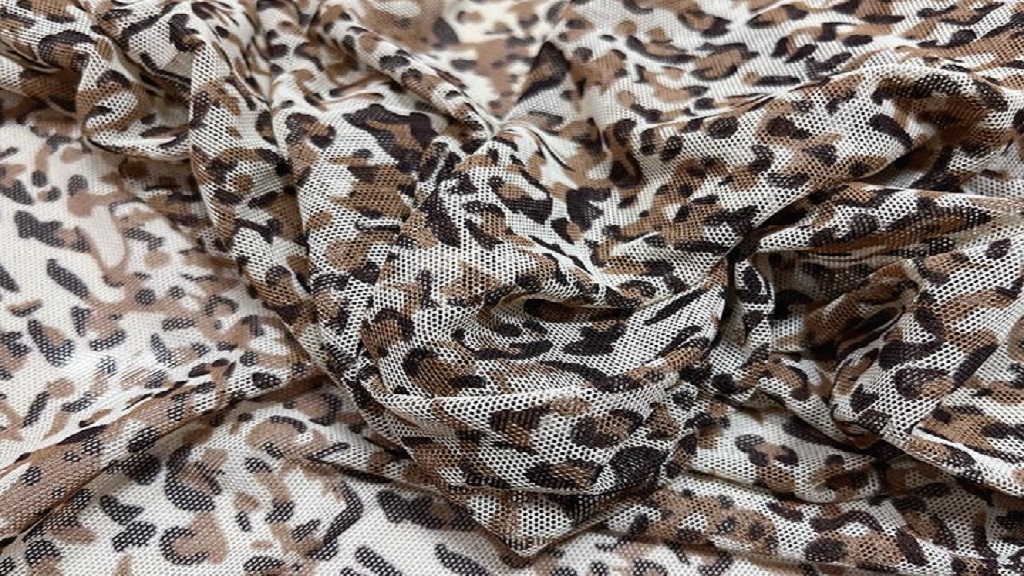
You may be wondering: Can mesh fabric be printed? The answer is yes, though the results depend on the type of mesh and the printing method. Here, we’ll explain how to print on mesh fabric and which types of mesh are best suited for it.
Different Printing Techniques for Mesh Fabrics
- Digital printing mesh: Digital printing offers high-resolution designs and is ideal for fine details or complex graphics. It works best on polyester mesh with a tight weave, where the surface is smooth and consistent. The main challenge is preventing ink from seeping through the open holes, which can be controlled by pre-treating the fabric or using specialized inks.
- Heat transfer mesh: Heat transfer involves applying a printed design onto mesh using heat and pressure. This method is particularly effective for logos, numbers, or simple graphics on sportswear. Heat transfer can accommodate both fine and open meshes, though very delicate fabrics like tulle may require lower temperatures or alternative methods.
- Screen printing mesh: Screen printing is well-suited for bold, simple designs. It involves pressing ink through a stencil or screen onto the fabric. On mesh, care must be taken to avoid ink spreading through the holes, which can blur the design. Screen printing works best on tightly woven or synthetic meshes that provide a stable surface.
Which Type of Mesh Fabric is Suitable for Printing?
Not all mesh fabrics are suitable for printing. Tight synthetic meshes, like polyester or nylon, feature a fine weave structure and a smooth surface. These qualities help the fabric hold ink effectively, resulting in a clear and sharp printing effect. This is why they are the most popular choice for sportswear, performance gear, and other close-fitting garments.
Stretch meshes, which contain elastic fibers such as spandex or elastane, can also be printed. However, because these fabrics are elastic, the design may distort if it is pulled during printing or later use. To maintain the desired appearance, careful handling and the right methods are required.
Meshes with large openings, also called ”coarse“ or ”open meshes“, are more challenging to print on. The bigger holes make it difficult for ink to stay on the surface, often causing blurred edges or incomplete prints. For this type of fabric, appliqué, embroidery, or heat-pressed patches are usually chosen instead of direct printing.
Delicate meshes, such as tulle, are generally not suitable for direct printing due to their fragile structure. They are better suited for overlays, layering, or decorative techniques that do not stress the material.
By understanding the properties of each mesh type, you can select the right fabric to achieve sharp, professional-looking designs while avoiding materials that would compromise the print quality.
How Is Mesh Fabric Used?
Depending on the project, mesh fabric can serve very different purposes:
- For Sportswear: Mesh is widely used in athletic apparel such as jerseys, vests, and training tops. Its breathable and moisture-wicking properties help keep the body cool and comfortable during physical activity. Tight synthetic meshes also provide durability, making them ideal for repeated use in sports garments.
- For Clothing: Mesh works well in casual tops, dresses, and accessories. It adds texture, allows for layering, and gives garments a light, airy feel.
- For Net Products: Items like bags, hats, and storage organizers often rely on mesh. Its lightweight and breathable structure keeps things functional and easy to carry, while still being strong enough to hold their shape.
- For Industrial Uses: Beyond clothing, mesh is used where ventilation, filtration, or reinforcement is needed. Its flexibility and strength make it useful for products that require both durability and airflow.
Tips for Caring for Printed Mesh Fabric
Taking care of printed mesh fabric properly helps your designs last longer and keeps the fabric in good shape:
| Tip |
How to Do It |
Why It Matters |
| Washing |
Use gentle cycles and cold water. Avoid harsh detergents. |
Prevents color fading, print damage, and stretching. |
| Drying |
Air dry whenever possible. Avoid high heat from dryers. |
Keeps mesh from shrinking and preserves the printed design. |
| Ironing |
If needed, use low heat and never press directly on the print. |
Protects the print from melting or distortion. |
| Storage |
Fold or lay flat instead of hanging. Keep away from sharp objects. |
Prevents stretching, snags, and deformation. |
| Handling |
Avoid excessive pulling or stretching. |
Maintains fabric integrity and prevents print distortion. |
Conclusion
Mesh fabrics come in many types, each with its own characteristics. Understanding these differences will help you choose the right mesh fabric.
If you want to showcase your style with mesh fabric printed with your own design, Prinstitch makes it easy. Simply upload your personal design, and we’ll take care of the rest. We can print your design from just one meter in our digital textile printing company. Explore our collection today and find the perfect mesh for your next project.
FAQ
Q1: What is the best mesh fabric for printing?
A1: Tight synthetic meshes, such as polyester or nylon, are generally the most suitable because they hold ink well and provide sharp results.
Q2: Does printing affect breathability?
A2: Printing may slightly reduce airflow, especially with thick inks or full-coverage designs. Lightweight inks or targeted prints help preserve breathability.
Q3: Is printed mesh washable?
A3: Yes, but gentle washing and air drying are recommended. Avoid harsh detergents and high heat.
Q4: How can I print my own design on mesh fabric?
A4: Choose the right mesh type for your project, pick a suitable printing method (digital, heat transfer, or screen), and follow fabric care instructions. Small quantities can often be printed from just one meter.
Q5: Is mesh fabric good quality?
A5: Quality depends on material and construction. Synthetic meshes like polyester and nylon are strong and durable, while cotton meshes are softer and more breathable but less resilient.


