 26 Oct 2026, 07:42 AM
Cotton Poplin vs Cotton Canvas: Which Fabric Is Right for Your Project?
Cotton poplin and cotton canvas are two of the most frequently compared cotton fabrics in apparel, home textiles, and product development. Both are made from cotton, yet they differ significantly in structure, weight, hand feel, print performance, and suitability for different end uses. Choosing the right one depends on the specific requirements of the project rather than a general preference for one fabric over the other.
This article compares the two fabrics across key performance dimensions and provides practical guidance for designers, brands, and product developers who need to make informed material decisions.
1. What Is Cotton Poplin and What Is Cotton Canvas?
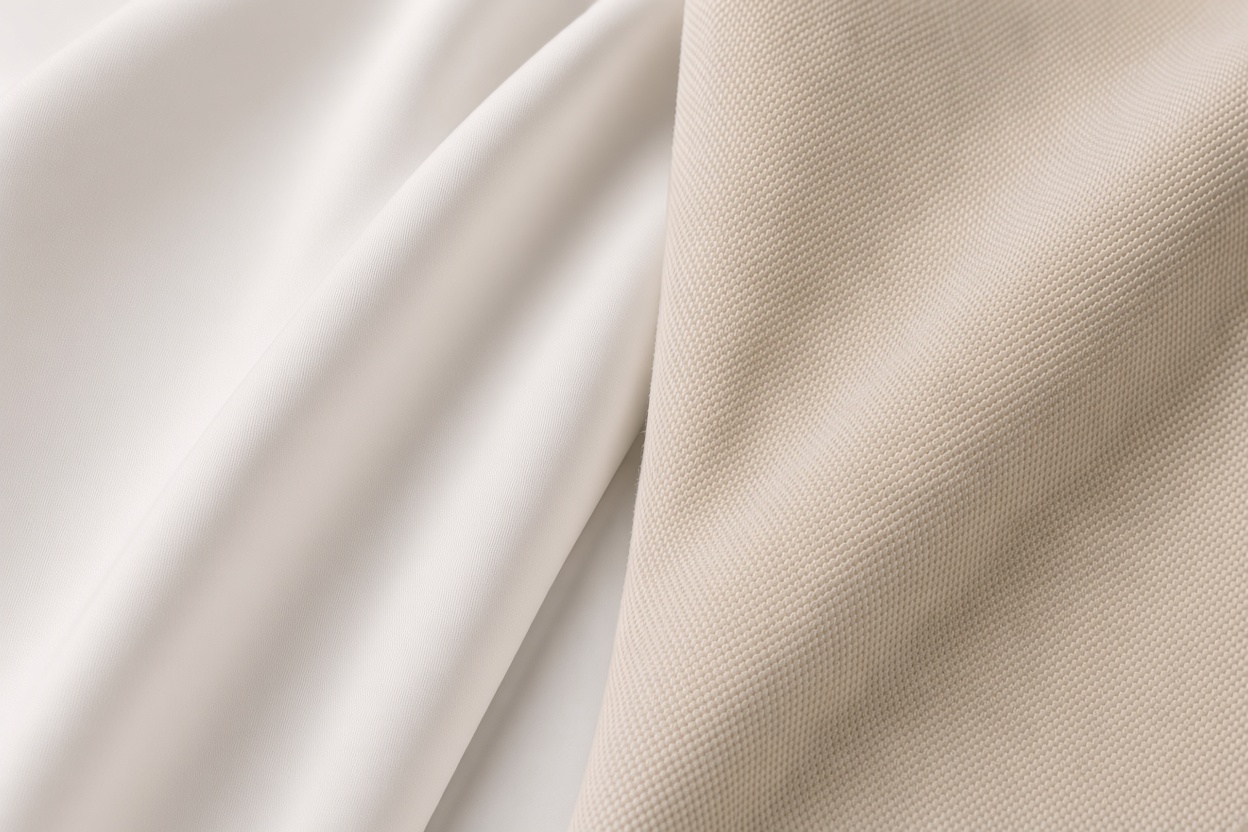
Cotton poplin is a tightly woven plain-weave fabric typically made from fine cotton yarns. It is known for its smooth surface, crisp yet soft hand feel, and relatively light to medium weight. Poplin is widely used in shirts, dresses, lightweight blouses, and certain home textile applications where a clean appearance and good drape are desired.
Cotton canvas is a heavier, denser fabric that is usually constructed with a plain or slightly textured weave using coarser yarns. It is valued for its strength, structure, and durability. Canvas appears frequently in bags, workwear, upholstery, sneakers, and other products that require greater body and resistance to wear.
Although both fabrics are cotton-based, their yarn count, weave density, and finishing create noticeably different performance profiles.
2. Key Differences at a Glance
| Feature | Cotton Poplin | Cotton Canvas |
|---|---|---|
| Structure | Fine plain weave | Dense plain or basket weave |
| Typical weight | Light to medium | Medium to heavy |
| Hand feel | Smooth, crisp, soft | Firm, structured, sturdy |
| Drape | Good to moderate drape | Limited drape, holds shape |
| Print detail | Excellent for fine details | Better for bold or large-scale prints |
| Durability | Good for light-to-medium use | High abrasion and tear resistance |
| Common uses | Shirts, dresses, lightweight home textiles | Bags, workwear, upholstery, sneakers |
3. Weight, Structure, and Hand Feel
The most immediate difference between the two fabrics is weight and structure. Cotton poplin is usually produced with finer yarns and a higher thread count, resulting in a smoother surface and a lighter, more fluid hand. It feels crisp when new but softens with wear and washing while retaining a clean appearance.
Cotton canvas is constructed with thicker yarns and a denser weave. The result is a fabric that feels substantial and holds its shape well. Canvas has limited drape and is often selected when structural integrity and resistance to abrasion are more important than softness or fluidity.
These differences directly influence how each fabric behaves in a finished product. Poplin tends to move with the body or hang more naturally, while canvas provides body and support.
4. Print Performance and Surface Detail
Print performance is another important consideration, especially for brands and designers working with digital or traditional textile printing.
Cotton poplin’s smooth, fine surface generally allows for sharper detail and cleaner edges in intricate or small-scale prints. Colors often appear crisp, and fine lines or delicate motifs tend to reproduce with good clarity.
Cotton canvas has a more textured surface. While it can accept bold, large-scale, or graphic prints effectively, very fine details may appear slightly softer or less precise because of the coarser yarn structure. Canvas is often preferred when the design benefits from a more substantial, tactile base rather than maximum print sharpness.
The choice between the two therefore depends on whether the priority is fine detail and clarity or a stronger, more textured presentation of the motif.
5. Which Fabric Suits Which Type of Project?
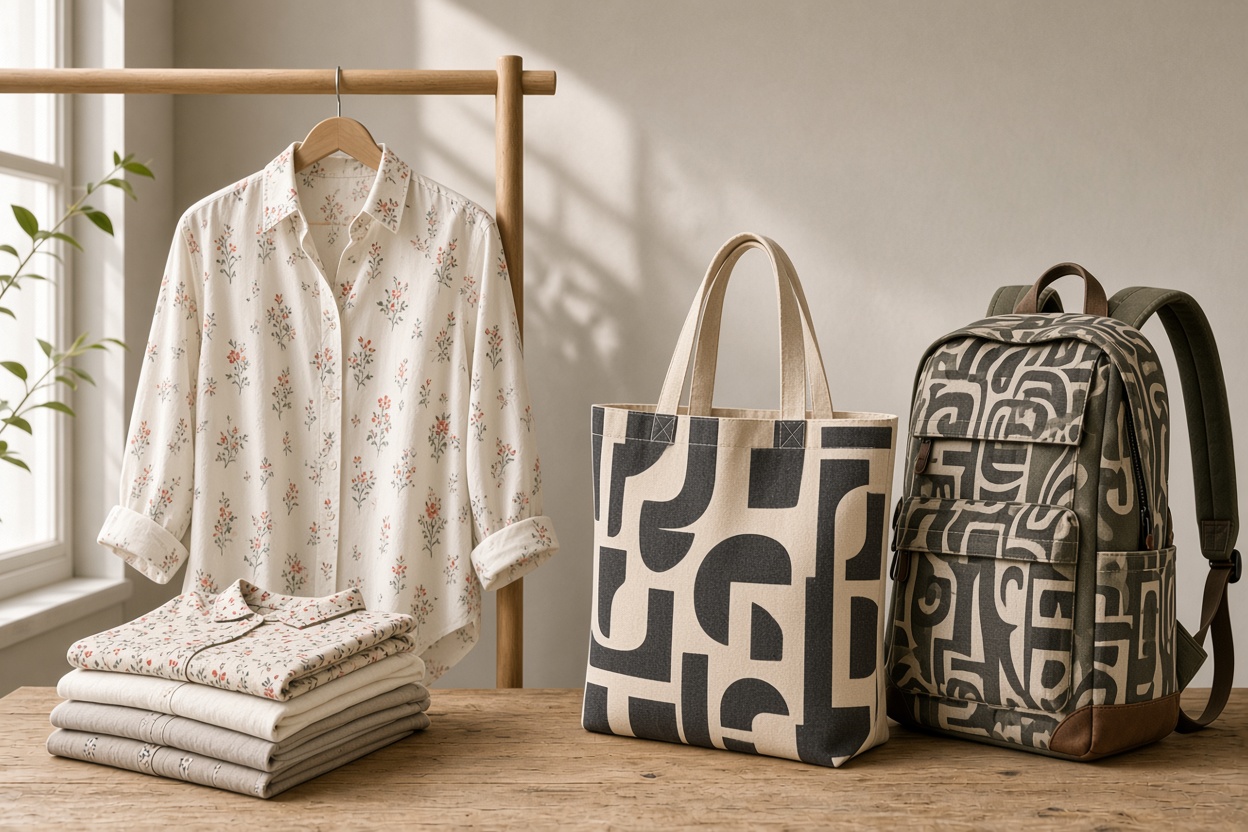
Projects that often favor Cotton Poplin
- Shirts, blouses, and lightweight dresses
- Delicate or finely detailed printed garments
- Lightweight curtains, pillow covers, and soft furnishings that require good drape
- Products where a clean, refined surface is important
Projects that often favor Cotton Canvas
- Tote bags, backpacks, and structured accessories
- Workwear, aprons, and garments requiring higher durability
- Upholstery, cushions that need more body, and heavier home textiles
- Sneakers, outer bags, and products exposed to frequent abrasion
In some collections, both fabrics can be used strategically—poplin for lighter pieces and canvas for more structural items—to create a cohesive range with varied performance characteristics.
6. How to Choose the Right Fabric for Your Project
When deciding between cotton poplin and cotton canvas, consider the following factors in order of priority for your specific product:
- Required weight and structure — Does the product need to drape or hold its shape?
- Print or surface requirements — Is fine detail critical, or is a bolder, more textured look acceptable?
- Durability expectations — Will the item face frequent abrasion, heavy use, or outdoor conditions?
- Hand feel and comfort — Is next-to-skin softness important, or is a firmer hand preferred?
- End-use environment — Apparel, soft home textiles, bags, or functional products each place different demands on the fabric.
In most cases, evaluating actual fabric samples under the intended end-use conditions provides clearer guidance than relying solely on fabric names or general descriptions.
7. Practical Sourcing Considerations
When sourcing either fabric, it is useful to confirm the following details with the supplier:
- Exact fabric weight (GSM) and composition
- Weave type and yarn quality
- Shrinkage and colorfastness test results
- Suitability for the intended printing or dyeing method
- Minimum order quantities and available widths
Once you have identified the right fabric for your project, explore our cotton poplin fabrics and cotton canvas fabrics to find options suited to your design and application. If you are considering other materials or finished textile products, visit our custom fabrics and products collection to discover more possibilities for your next project.
Frequently Asked Questions
Is cotton poplin softer than cotton canvas?
In most cases yes. Poplin is typically made with finer yarns and has a smoother, softer hand, while canvas is denser and more structured.
Which fabric is better for detailed printing?
Cotton poplin generally reproduces fine details more clearly because of its smoother surface. Canvas works well for bold or large-scale designs but may soften very fine lines.
Can cotton canvas be used for clothing?
Yes, particularly for workwear, jackets, trousers, and structured garments. It is less common for next-to-skin or fluid styles due to its weight and limited drape.
Which fabric is more durable?
Cotton canvas is generally more durable and abrasion-resistant than poplin because of its denser construction and heavier yarns.
How should I decide between the two for a new collection?
Start with the functional requirements of each product (weight, structure, print needs, durability), then evaluate samples of both fabrics under those conditions. The fabric that best matches the intended performance and aesthetic is usually the clearer choice.

Subscribe our Newsletter


 No.888 ZhuJiaWan Street, Gusu District, Suzhou City, Jiangsu Province, China


 Hours: 10:00 - 18:00, Mon - Sat


